

In an era where the digital and physical worlds are tightly intertwined, a new class of threats is rapidly gaining momentum: cyber-physical attacks. These attacks don’t just target data—they manipulate real-world operations, disrupt critical infrastructure, and, in extreme cases, endanger human lives. Industrial systems, once isolated and secure by design, are now at the forefront of this evolving threat landscape.
From Air-Gapped to Always Connected
Traditionally, industrial control systems (ICS) and operational technology (OT) environments—such as those used in manufacturing plants, power grids, and water treatment facilities—were “air-gapped,” meaning they operated independently from external networks. This isolation provided a natural layer of protection.
However, the push toward digital transformation has changed everything. Organisations are connecting these systems to corporate IT networks and the internet to enable real-time monitoring, predictive maintenance, and automation. While this connectivity boosts efficiency, it also exposes critical infrastructure to cyber threats that were once confined to IT environments.
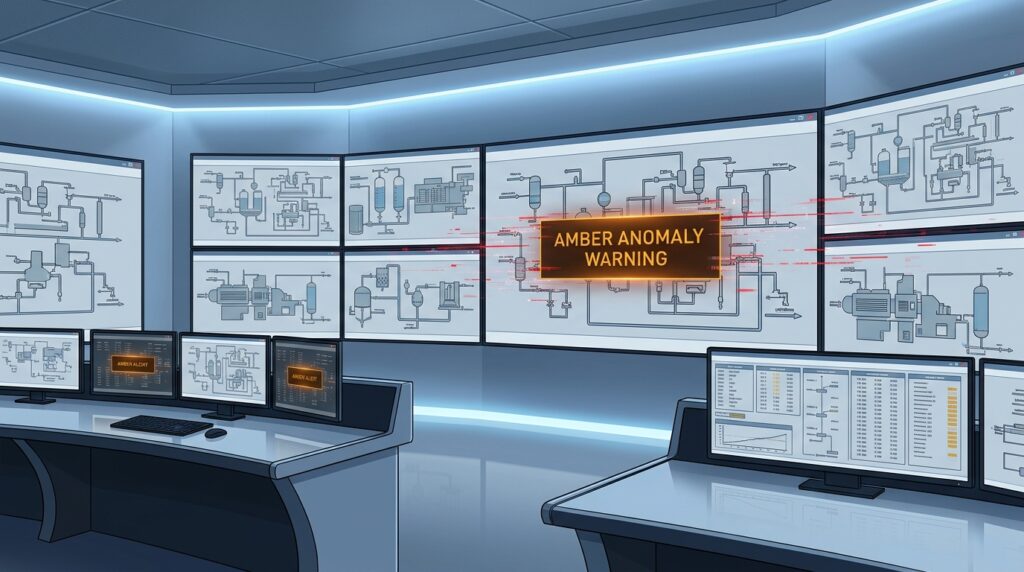
What Makes Cyber-Physical Attacks Different?
Unlike conventional cyberattacks that aim to steal data or disrupt digital services, cyber-physical attacks have tangible consequences. They exploit vulnerabilities in software and hardware to manipulate physical processes.
For example:
- Altering sensor readings to mislead operators
- Disrupting safety systems to cause equipment failure
- Overriding control mechanisms to damage machinery
These attacks blur the line between cybersecurity and physical safety, making them uniquely dangerous.
Real-World Wake-Up Calls
Several high-profile incidents have demonstrated the devastating potential of cyber-physical attacks:
- Stuxnet (2010): A sophisticated worm that targeted Iran’s nuclear centrifuges, causing physical damage while remaining undetected for years.
- Triton/Trisis (2017): Malware designed to disable safety instrumented systems in industrial facilities, potentially leading to catastrophic failures.
- Colonial Pipeline (2021): While primarily a ransomware attack, it led to real-world fuel shortages across the U.S., highlighting the fragility of critical infrastructure.
These incidents are not anomalies—they are early indicators of a growing trend.
Why Industrial Systems Are Increasingly Targeted
Several factors are driving the rise in cyber-physical attacks:
- Legacy Systems: Many industrial environments rely on outdated software that lacks modern security features.
- Convergence of IT and OT: The integration of business and operational networks expands the attack surface.
- High Impact, High Reward: Disrupting critical infrastructure can yield significant financial, political, or strategic gains.
- Limited Visibility: Organisations often lack comprehensive monitoring of OT environments, making it easier for attackers to remain undetected.
The Expanding Threat Landscape
Today’s attackers are more sophisticated and better resourced than ever. Nation-state actors, organised cybercriminal groups, and even hacktivists are developing capabilities to target industrial systems.
Emerging technologies like the Industrial Internet of Things (IIoT) further complicate the picture. While IIoT devices enhance operational efficiency, they also introduce new vulnerabilities—often with minimal built-in security.
How Organisations Can Respond
Defending against cyber-physical attacks requires a shift in mindset. It’s no longer enough to treat cybersecurity and physical safety as separate domains.
Key strategies include the following:
- Network Segmentation: Isolate critical systems from less secure networks to limit lateral movement.
- Continuous Monitoring: Implement real-time visibility across both IT and OT environments.
- Zero Trust Architecture: Verify every access request, regardless of its origin.
- Patch Management: Regularly update systems, even in environments where downtime is costly.
- Incident Response Planning: Prepare for worst-case scenarios with coordinated cyber-physical response plans.
- Employee Training: Human error remains a major vulnerability—awareness is critical.
Looking Ahead
As industrial systems continue to evolve, so too will the threats they face. The convergence of cyber and physical domains represents one of the most significant security challenges of our time.
Organisations that fail to adapt risk more than data loss—they risk operational disruption, financial damage, and threats to public safety. The rise of cyber-physical attacks is not a distant concern; it is a present reality demanding immediate attention.
Leave a Reply