
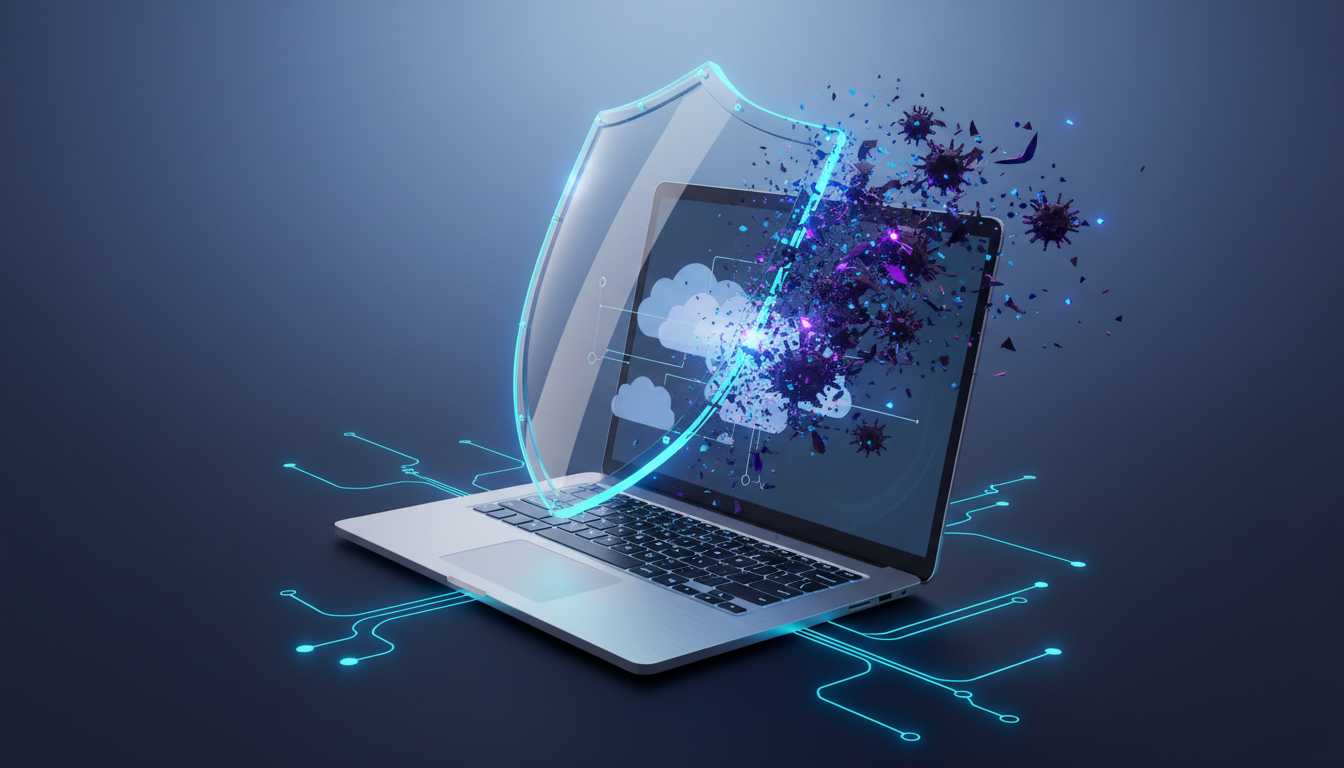
The era of the “set it and forget it” antivirus is officially over. For decades, cybersecurity was a game of digital whack-a-mole: a virus would appear, a “signature” would be identified, and your antivirus software would update its database to recognise and block it. But in a world where 450,000 new pieces of malware are detected every single day, the traditional signature-based approach is no longer just outdated—it is dangerously obsolete.
As we move deeper into the 2020s, the threat landscape is shifting from predictable viruses to polymorphic, AI-driven attacks that can change their own code to evade detection. To survive, antivirus software is undergoing a radical transformation, evolving from a simple scanner into a proactive, intelligent ecosystem.
From Detection to Prediction
The most significant shift in the future of antivirus is the move toward predictive AI and machine learning. Modern security suites no longer wait to see a known “fingerprint” of a virus. Instead, they use behavioural analysis to monitor what a program is doing. If a seemingly innocent document suddenly starts encrypting files or attempting to communicate with an unknown server in a foreign country, the AI intervenes instantly. This “Zero Trust” approach at the endpoint level ensures that even never-before-seen “zero-day” threats are neutralised before they can execute.
The Rise of XDR and Integration
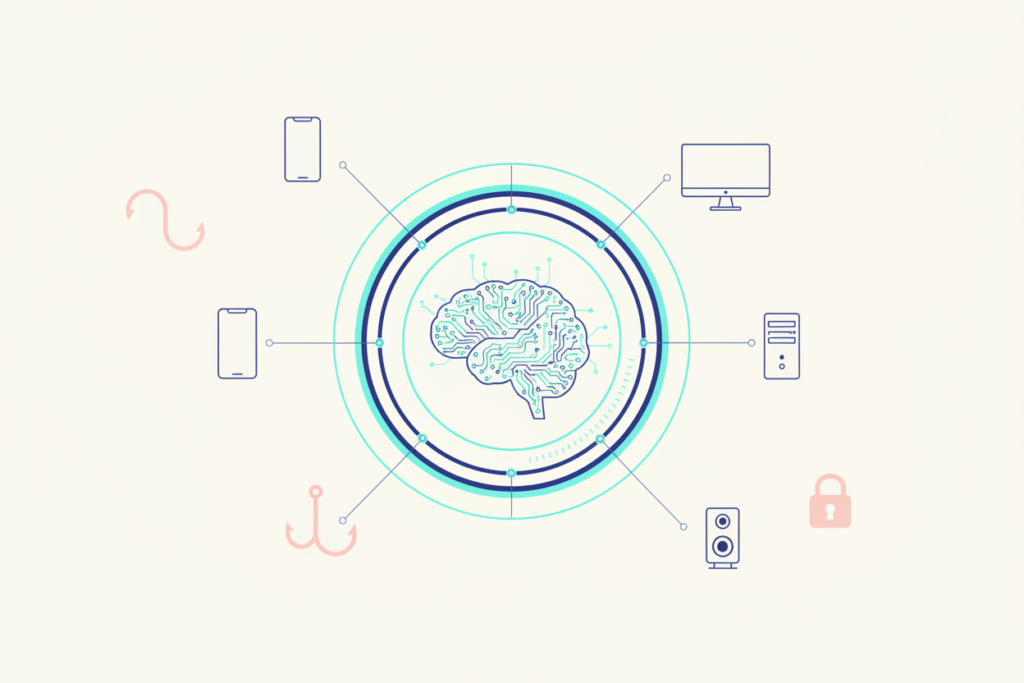
We are also seeing the death of the standalone antivirus. In its place is Extended Detection and Response (XDR). The future of protection lies in integration; your antivirus will no longer live in a vacuum on your laptop. It will communicate with your network router, your cloud storage, and even your smart home devices. By creating a unified web of security, AI can correlate minor anomalies across different platforms to identify a sophisticated, multi-stage cyberattack that would have previously slipped through the cracks.
Human-Centric Security
Perhaps the most surprising evolution is the focus on the “human element.” As technical defences become harder to breach, hackers are pivoting toward social engineering and identity theft. Future antivirus software will act more like a digital bodyguard, scanning for phishing attempts in real-time, monitoring the dark web for leaked credentials, and even using biometric signals to ensure that the person sitting at the keyboard is actually the authorised user.
The Bottom Line
The future of antivirus is not about building a higher wall; it is about building a smarter one. As threats become more autonomous and invisible, our defences must become more intuitive and omnipresent. In this evolving landscape, the best antivirus won’t just tell you that you’ve been infected—it will ensure the infection never has a chance to begin.
Leave a Reply