
Tag: Cybersecurity
-
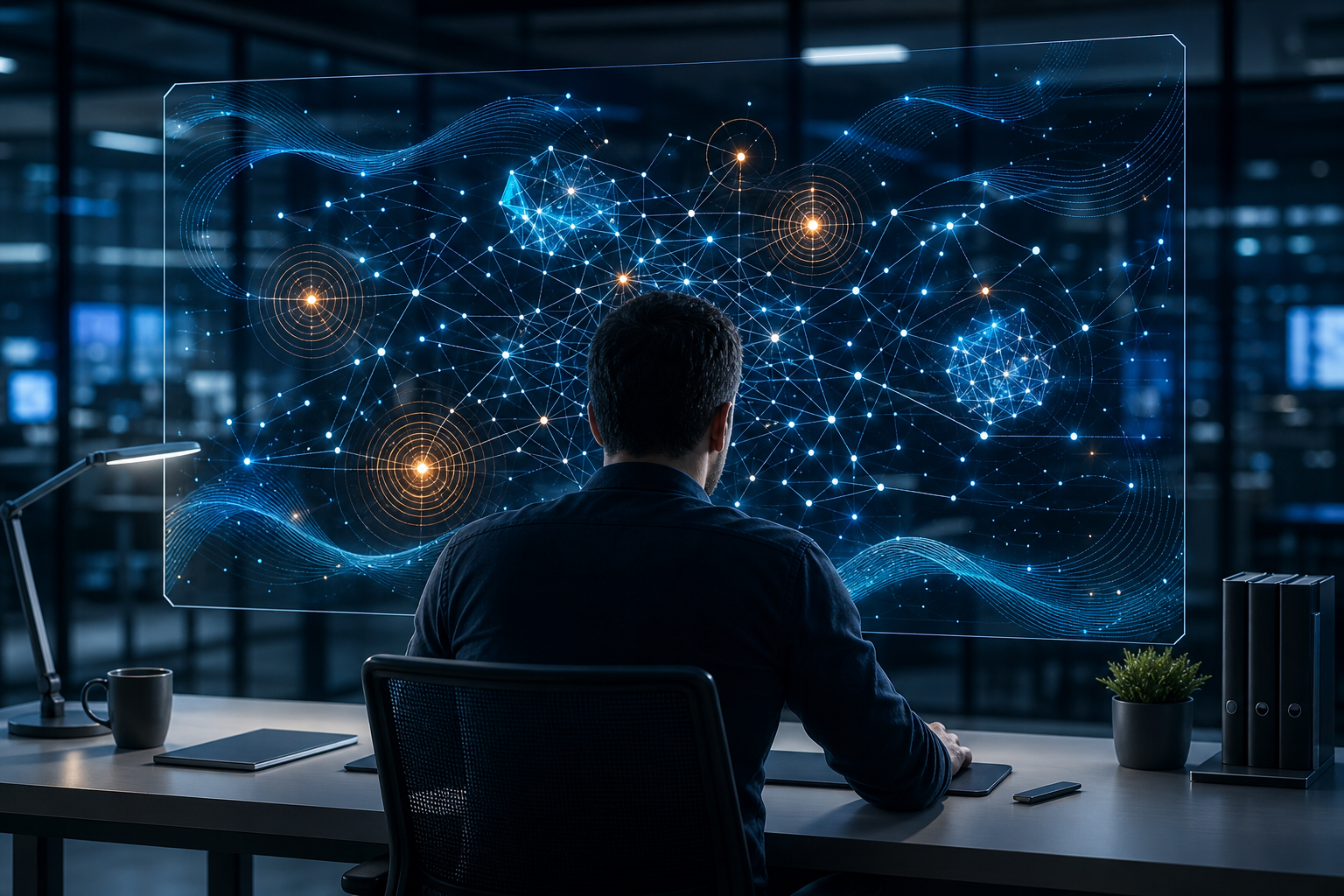
As cyberattacks grow increasingly complex and automated, legacy signature-based security systems struggle to keep pace. Discover how machine learning empowers organisations to detect zero-day exploits, analyse behavioural anomalies in real time, and proactively defend digital infrastructure. The Evolution of Cyber Threats For years, digital security operated on a reactive model. Traditional security architectures relied heavily…
-
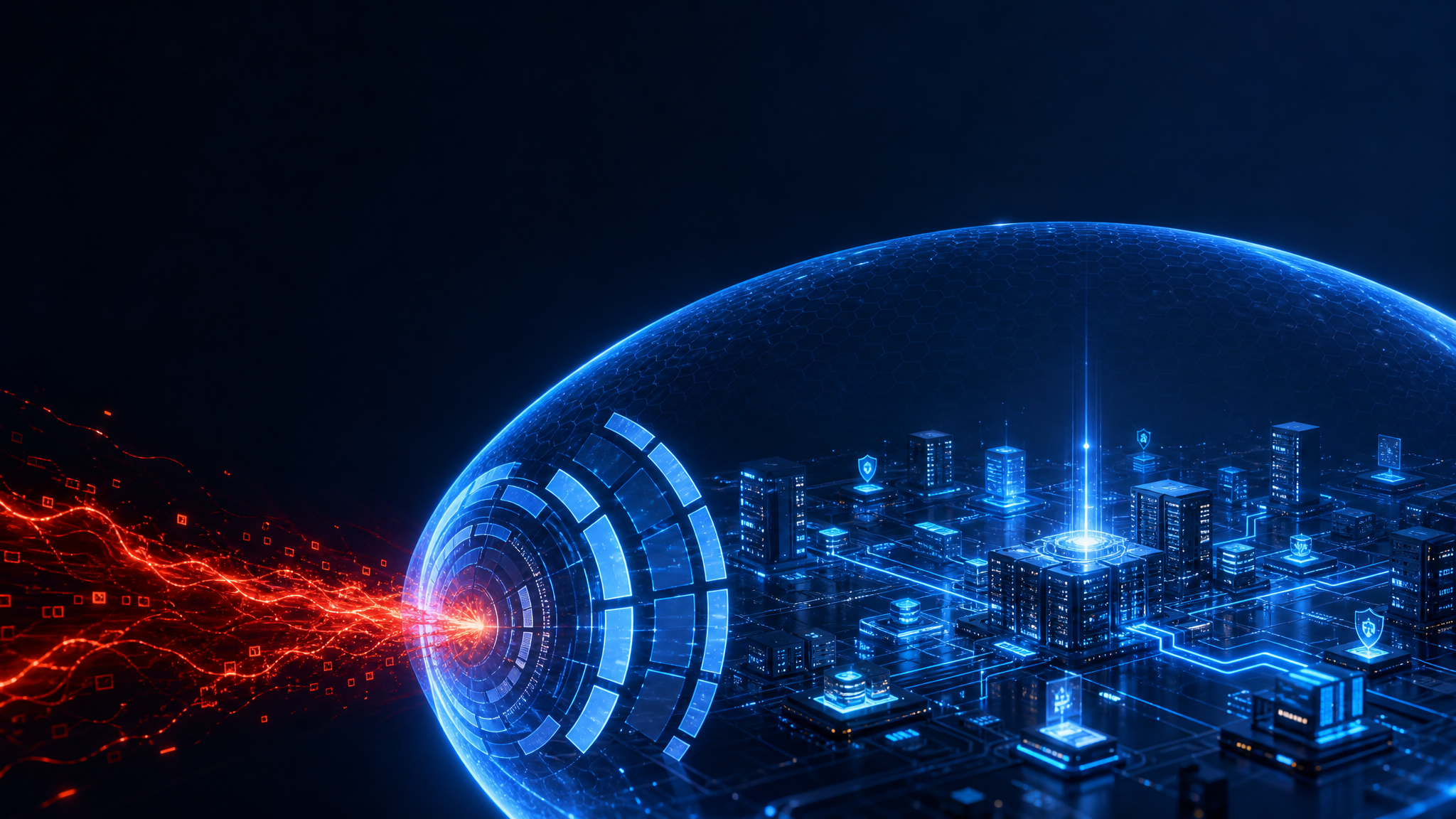
Cyberattacks rarely arrive with a warning. A normal workday can turn into a crisis within minutes: employees are locked out of critical systems, customers receive suspicious emails, sensitive data appears online, or a ransomware message flashes across every screen. In these moments, an organisation’s success is not determined solely by the strength of its firewalls…
-
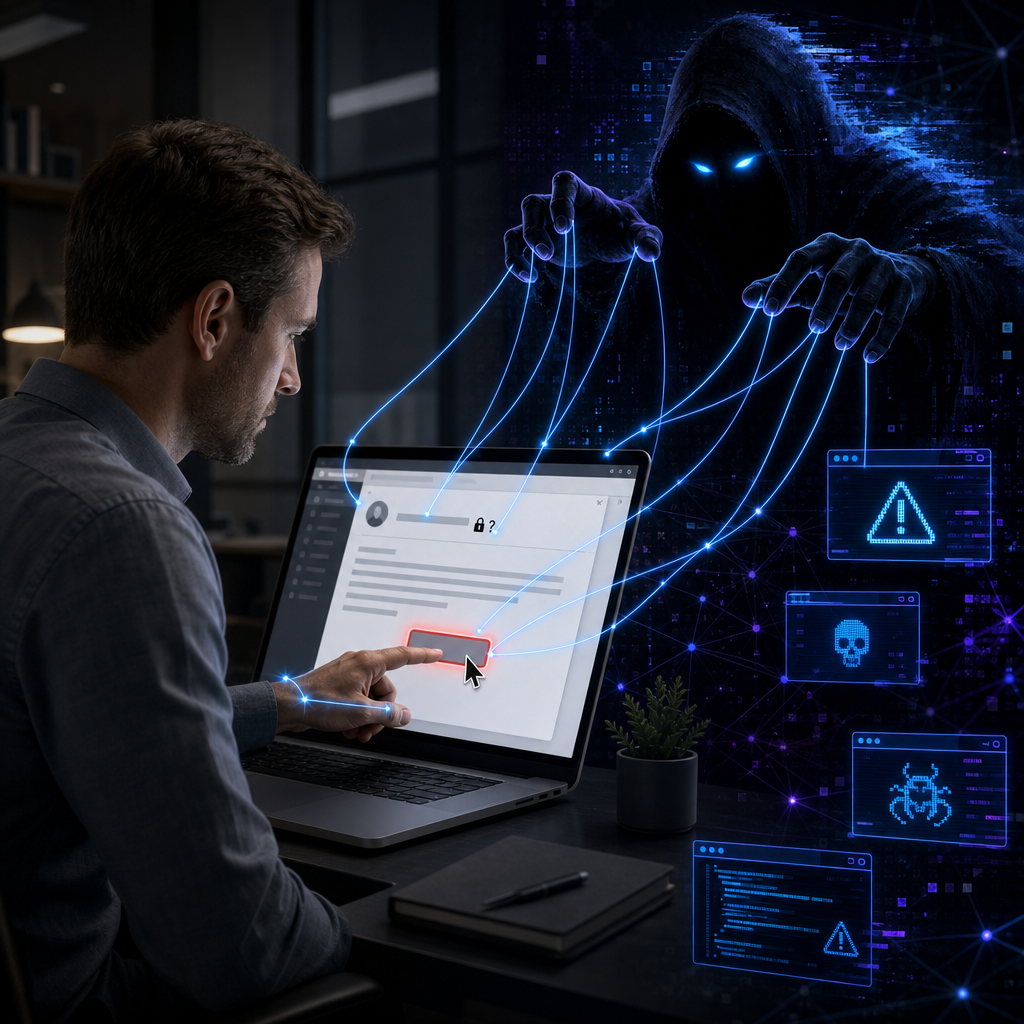
In the digital age, the most dangerous weapon isn’t a zero-day exploit or a sophisticated piece of malware. It’s a carefully crafted message that plays on the way your brain works. Cybercriminals have become amateur psychologists. They study human behaviour with the same intensity that security researchers study code. And they’re winning—because while technology improves,…
-
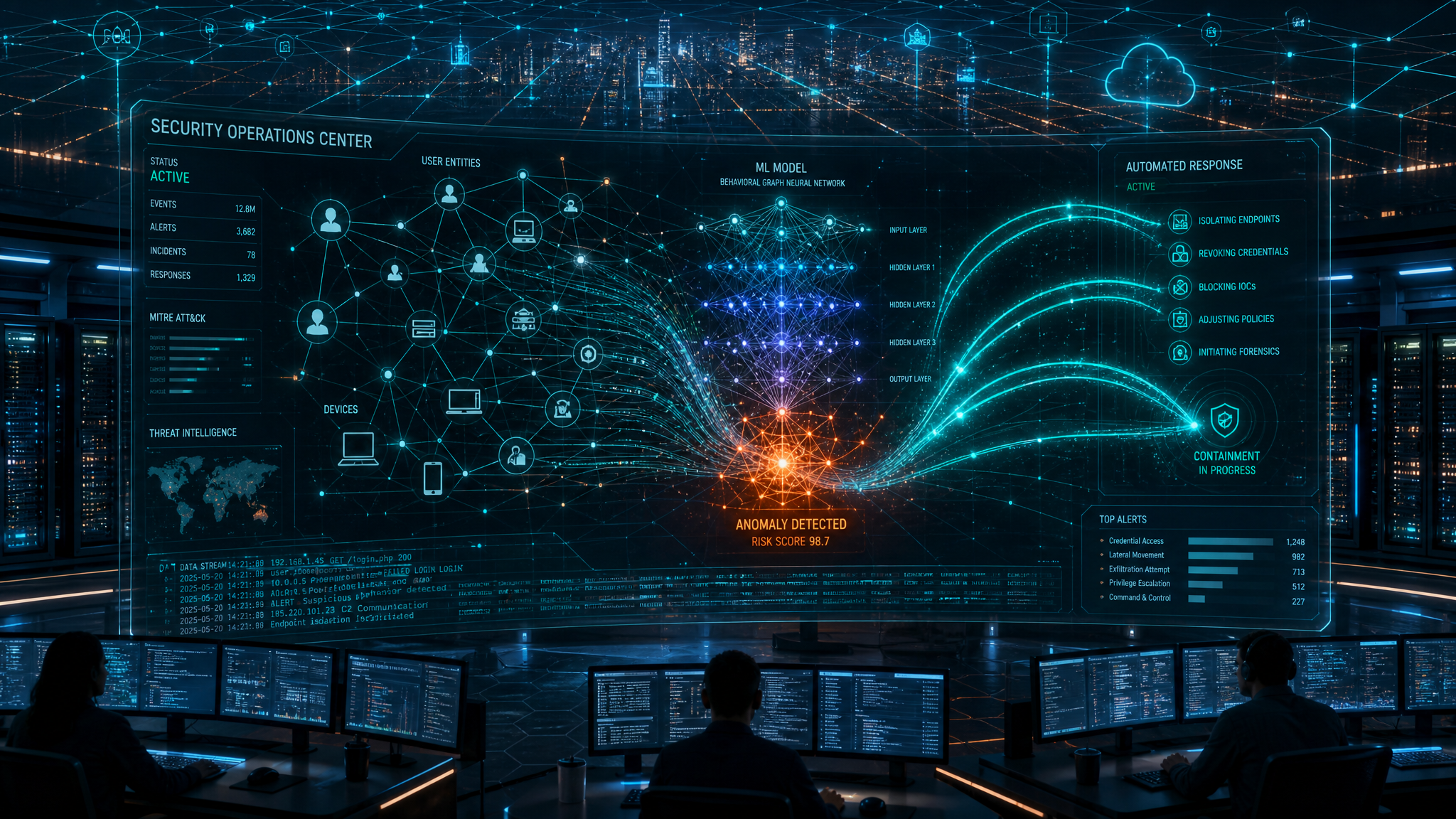
Cyber threats don’t behave like they used to. Attackers move faster, blend into legitimate traffic, and adapt the moment defenders publish new indicators. In this environment, security teams face a brutal mismatch: the volume of events is exploding, but human attention—and time—are fixed. Machine learning (ML) has become compelling in threat detection not because it…
-
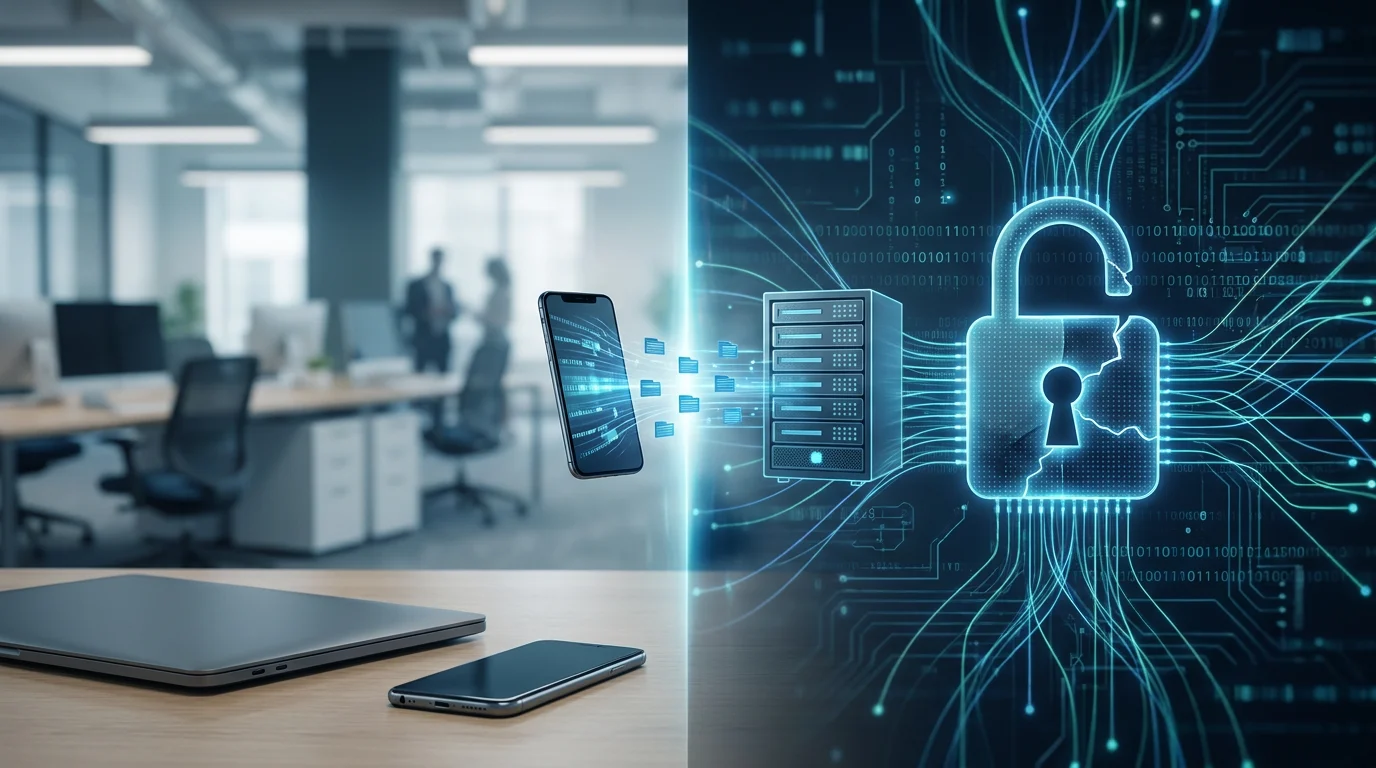
“Just use your own phone—it’s easier.” That simple sentence has fueled one of the biggest workplace trends of the last decade: Bring Your Own Device (BYOD). On the surface, it’s a win-win. Employees get to use familiar devices, and companies save money on hardware. Productivity rises, flexibility improves, and everyone seems happy. But beneath that…
-
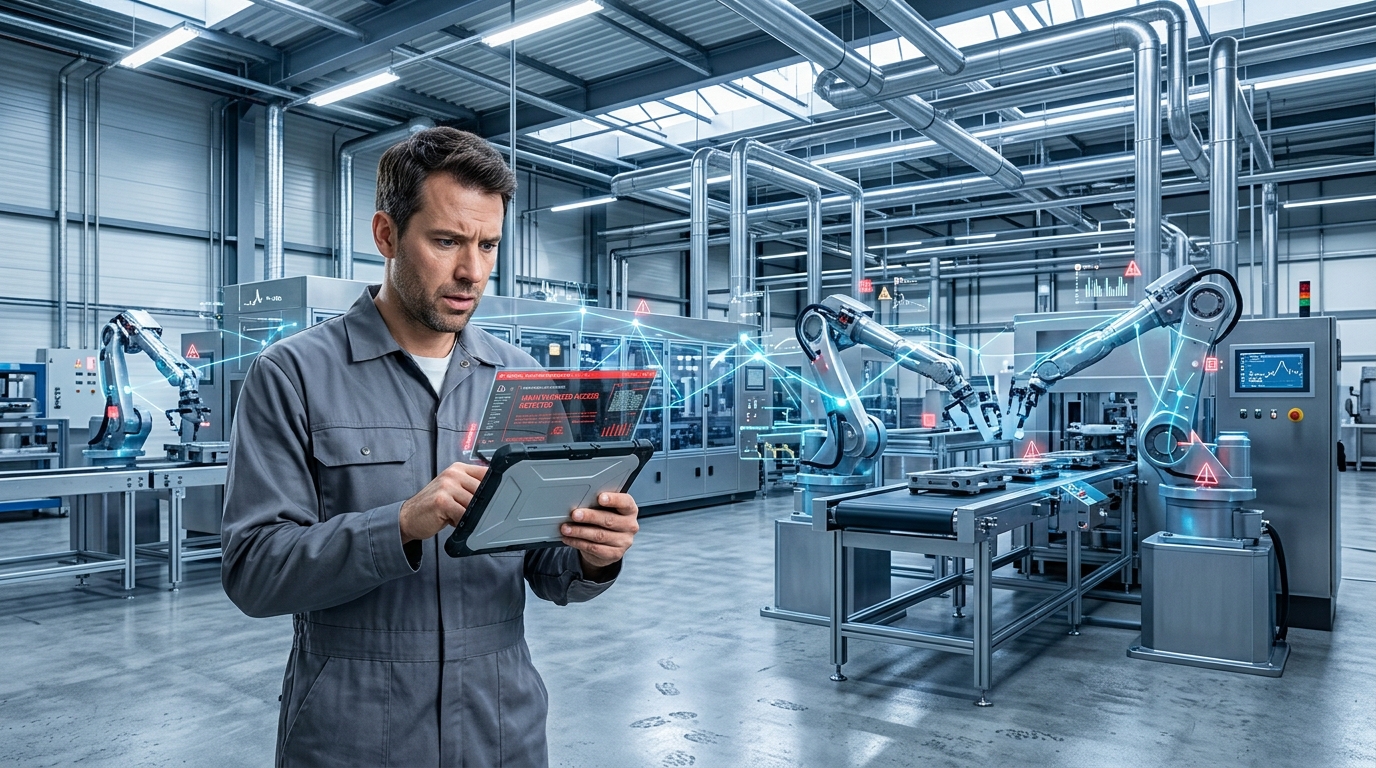
In an era where the digital and physical worlds are tightly intertwined, a new class of threats is rapidly gaining momentum: cyber-physical attacks. These attacks don’t just target data—they manipulate real-world operations, disrupt critical infrastructure, and, in extreme cases, endanger human lives. Industrial systems, once isolated and secure by design, are now at the forefront…
-
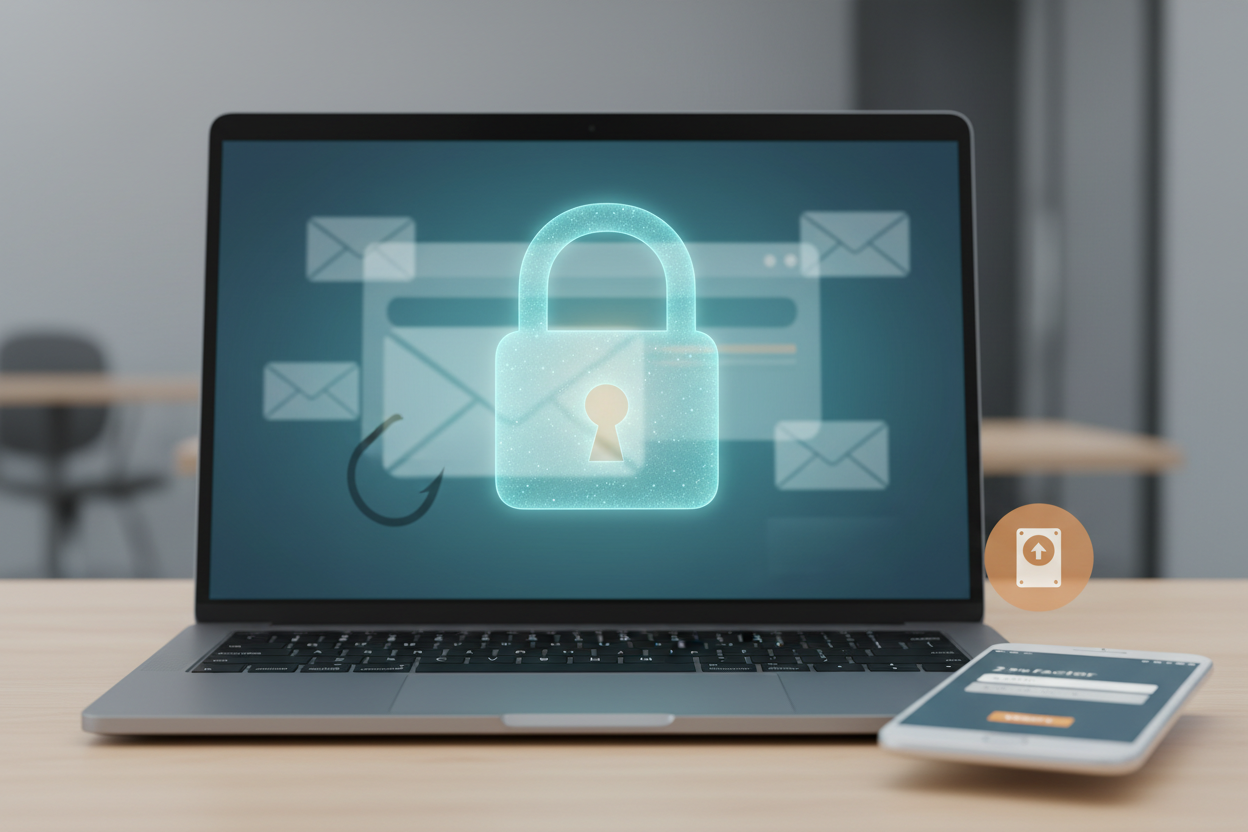
In the digital age, there is a dangerous myth circulating in the boardrooms of small and medium-sized businesses (SMBs): “We’re too small to be a target.” While the headlines are dominated by massive data breaches at Fortune 500 companies, the reality on the ground is much grimmer for the little guy. For a global corporation,…
-
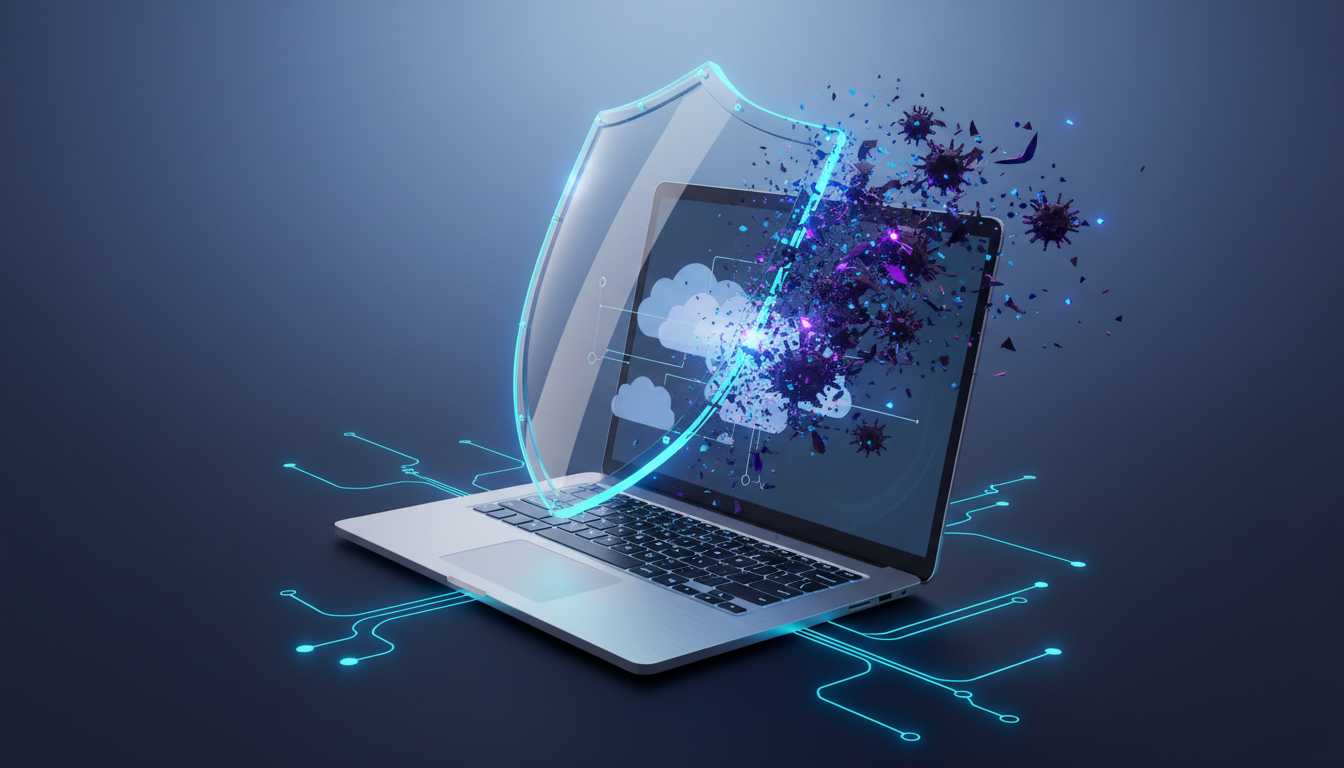
The era of the “set it and forget it” antivirus is officially over. For decades, cybersecurity was a game of digital whack-a-mole: a virus would appear, a “signature” would be identified, and your antivirus software would update its database to recognise and block it. But in a world where 450,000 new pieces of malware are…
-
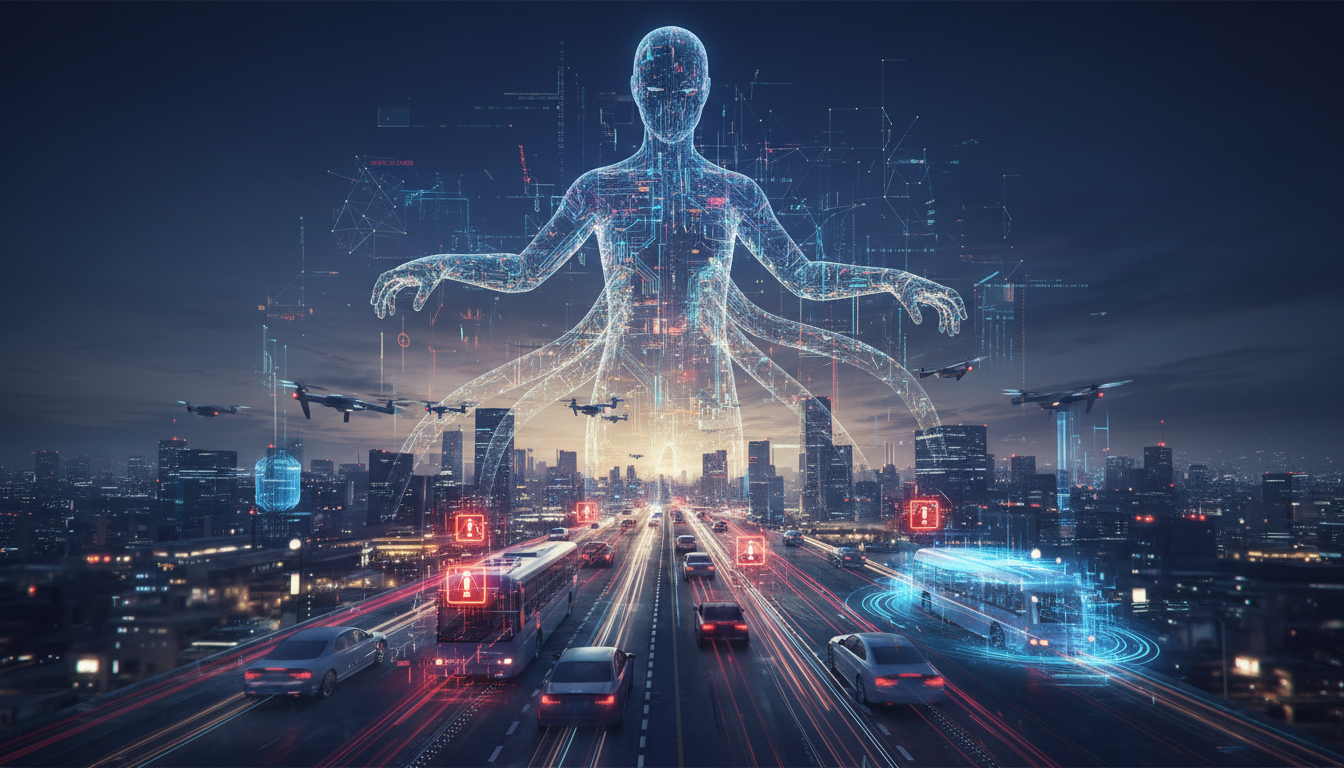
Imagine you are cruising down a highway at 70 mph, reclining in your seat while your car handles the navigation. Suddenly, the steering wheel jerks violently to the left, or the brakes slam on for no apparent reason. You didn’t do it. The car’s software didn’t “decide” to do it. Someone miles away, sitting behind…
-
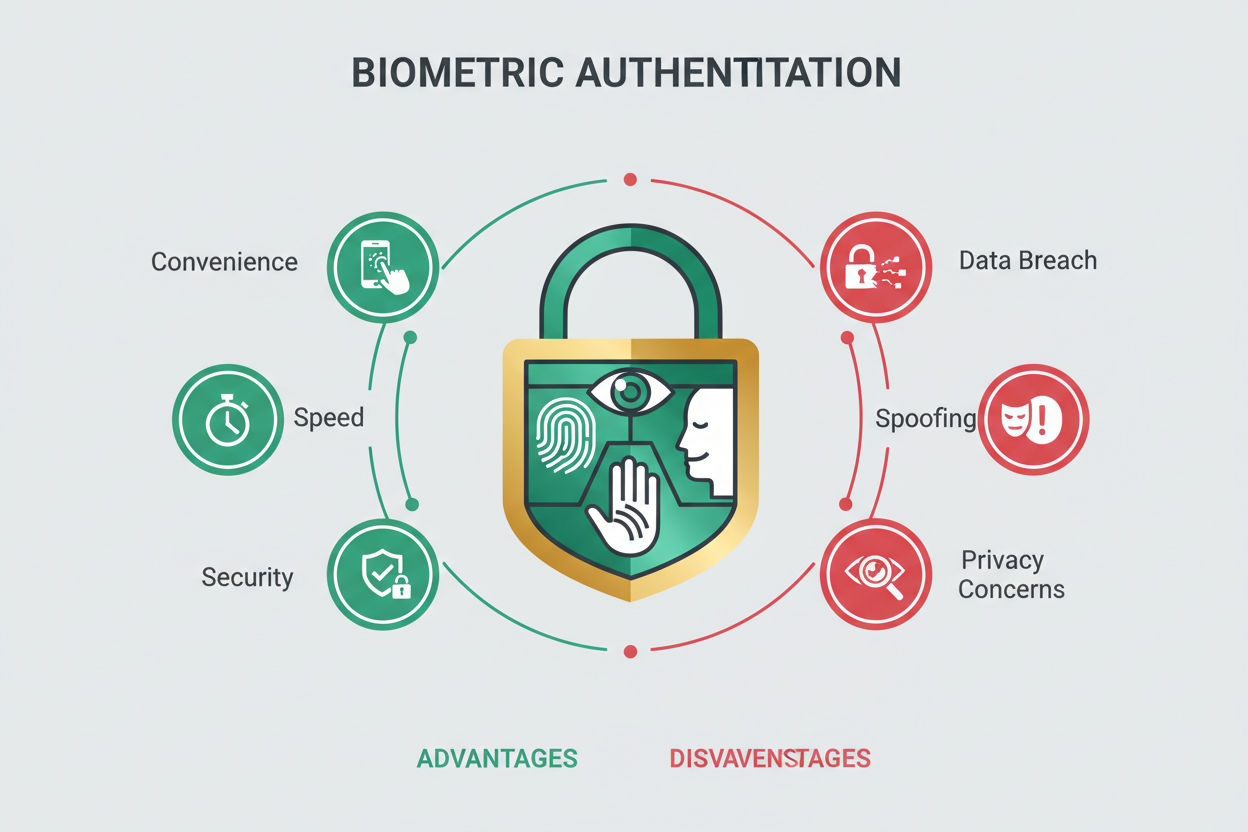
Why Your Fingerprint Might Be Your Best Password—Or Your Worst Nightmare We live in an age of passwords. Dozens of them. Long ones with special characters, numbers, and that one uppercase letter you always forget. We write them down, reuse them, and inevitably forget them. It’s exhausting—and it’s exactly why biometric authentication feels like a…