
Tag: IT Security
-
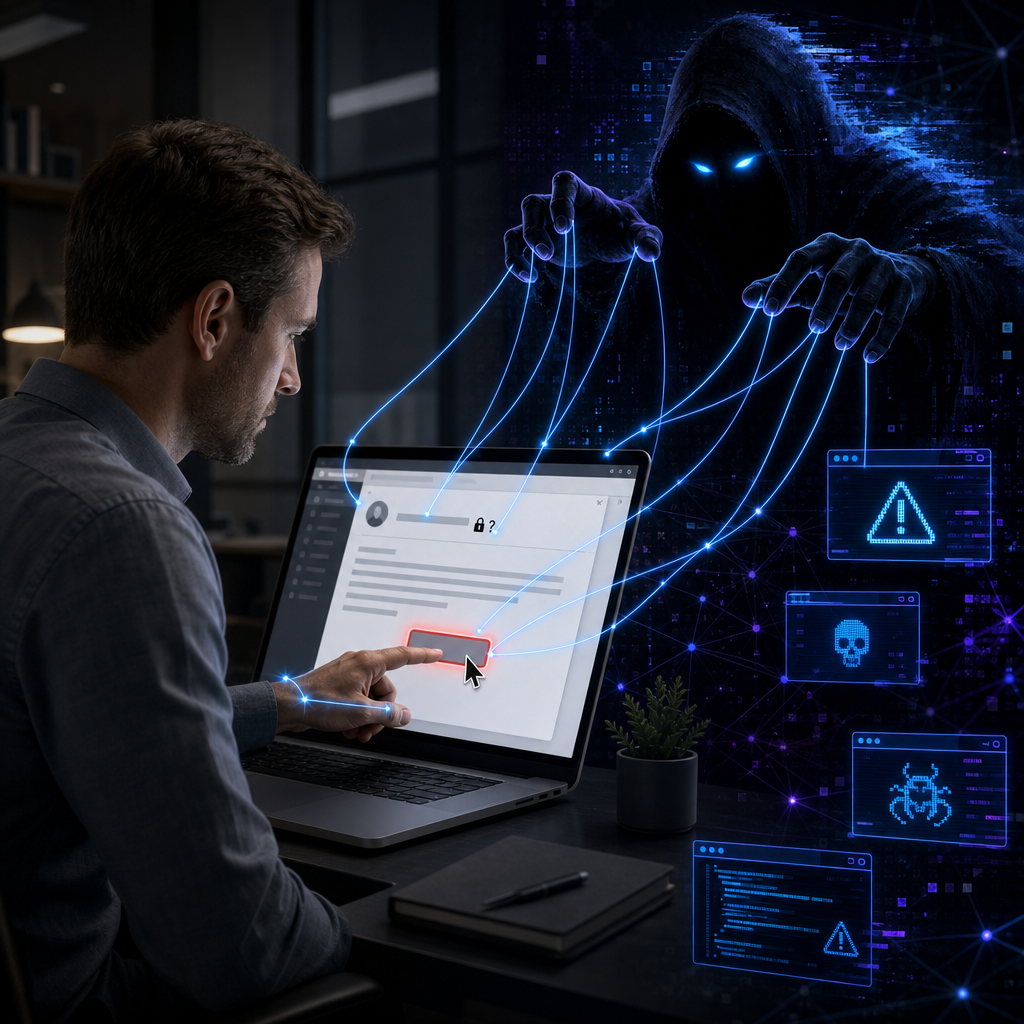
In the digital age, the most dangerous weapon isn’t a zero-day exploit or a sophisticated piece of malware. It’s a carefully crafted message that plays on the way your brain works. Cybercriminals have become amateur psychologists. They study human behaviour with the same intensity that security researchers study code. And they’re winning—because while technology improves,…
-
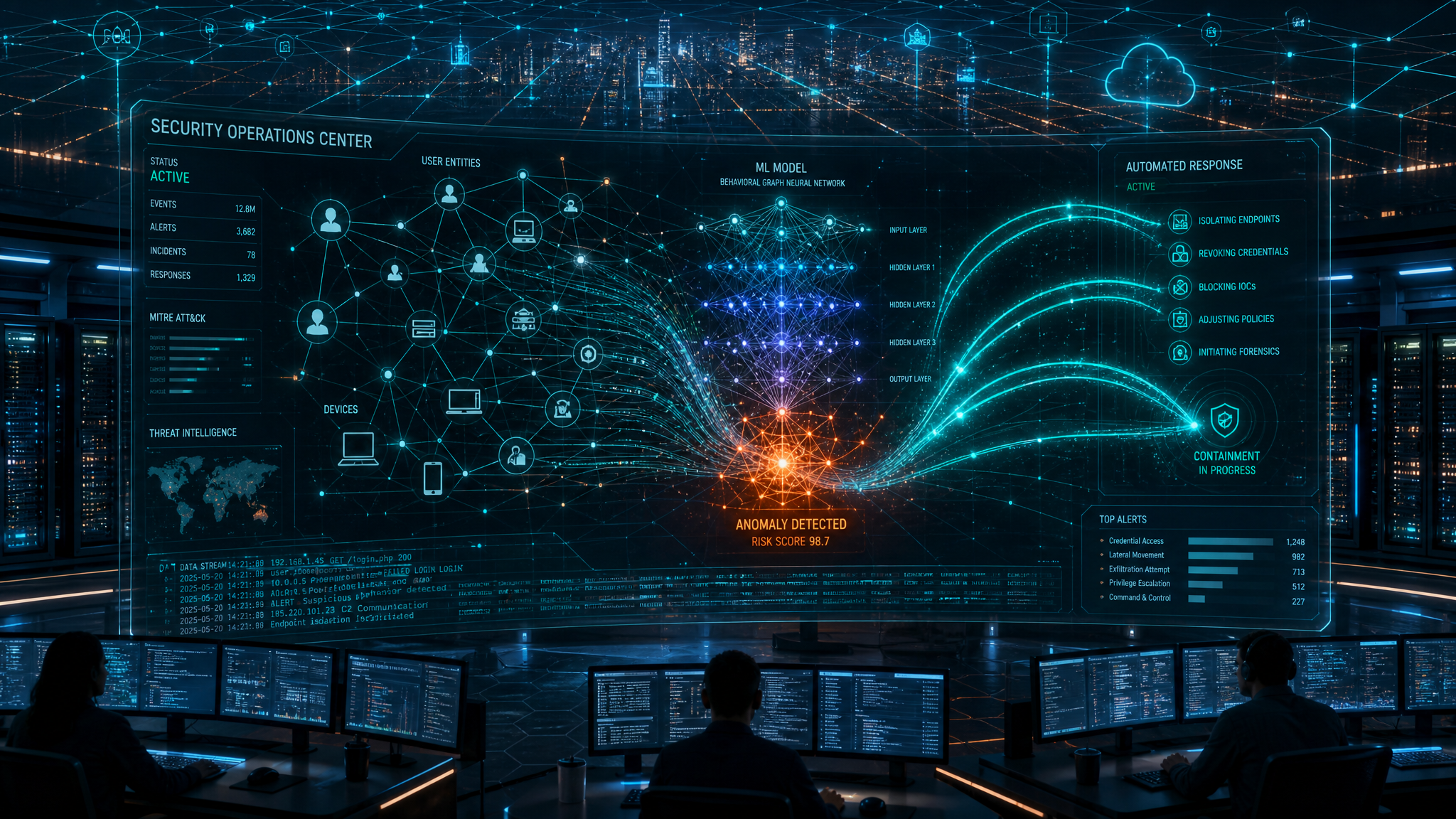
Cyber threats don’t behave like they used to. Attackers move faster, blend into legitimate traffic, and adapt the moment defenders publish new indicators. In this environment, security teams face a brutal mismatch: the volume of events is exploding, but human attention—and time—are fixed. Machine learning (ML) has become compelling in threat detection not because it…
-

“Just use your own phone—it’s easier.” That simple sentence has fueled one of the biggest workplace trends of the last decade: Bring Your Own Device (BYOD). On the surface, it’s a win-win. Employees get to use familiar devices, and companies save money on hardware. Productivity rises, flexibility improves, and everyone seems happy. But beneath that…
-

In an era where the digital and physical worlds are tightly intertwined, a new class of threats is rapidly gaining momentum: cyber-physical attacks. These attacks don’t just target data—they manipulate real-world operations, disrupt critical infrastructure, and, in extreme cases, endanger human lives. Industrial systems, once isolated and secure by design, are now at the forefront…
-
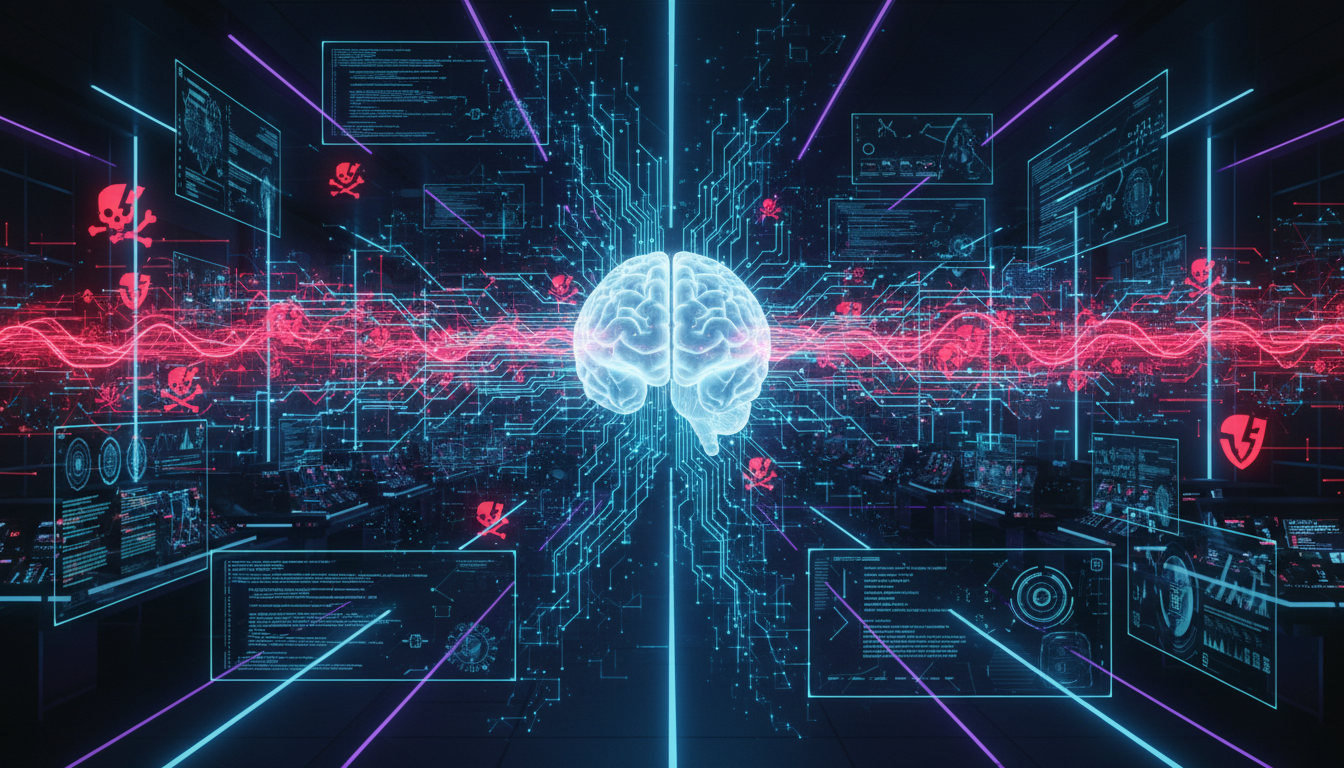
In the early days of the internet, cybersecurity was a game of “cat and mouse” played with static rules. If a virus had a specific digital fingerprint, or “signature,” the firewall blocked it. But as the digital landscape expanded into a sprawling metropolis of cloud computing, IoT devices, and remote work, the “mouse” evolved. Modern…
-

In the digital age, there is a dangerous myth circulating in the boardrooms of small and medium-sized businesses (SMBs): “We’re too small to be a target.” While the headlines are dominated by massive data breaches at Fortune 500 companies, the reality on the ground is much grimmer for the little guy. For a global corporation,…
-
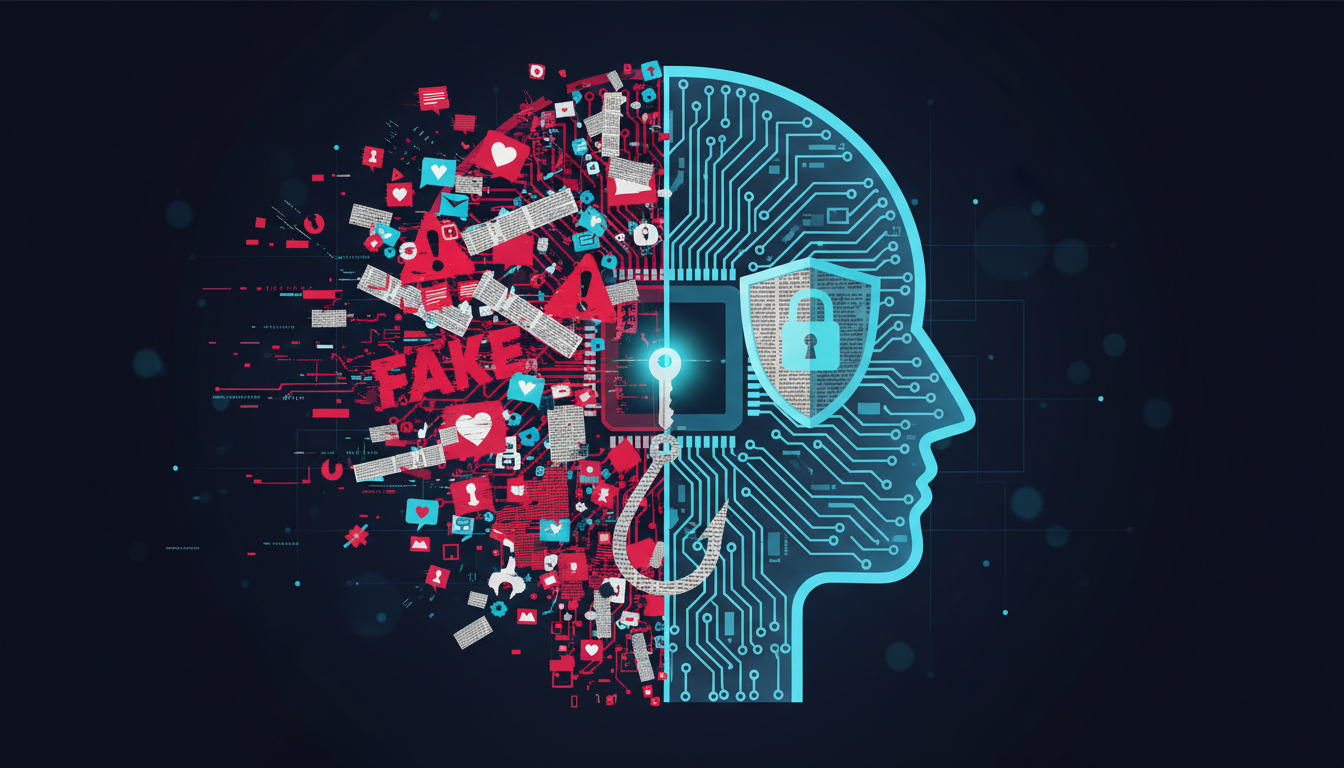
In today’s hyperconnected world, cyber threats no longer arrive only as lines of malicious code or shadowy malware hidden in downloads. Increasingly, they come wrapped in headlines, hashtags, and viral posts. Fake news and misinformation campaigns have quietly become one of the most effective weapons in the modern cyber threat landscape—and their impact on cybersecurity…
-

Why do smart people still click the wrong link?By ksquared When people picture “hackers,” they usually imagine someone in a dark room breaking into computers with lines of code. In reality, many of the most successful cyberattacks don’t start with code.They start with people. Hackers know that the easiest way into a company or personal…
-
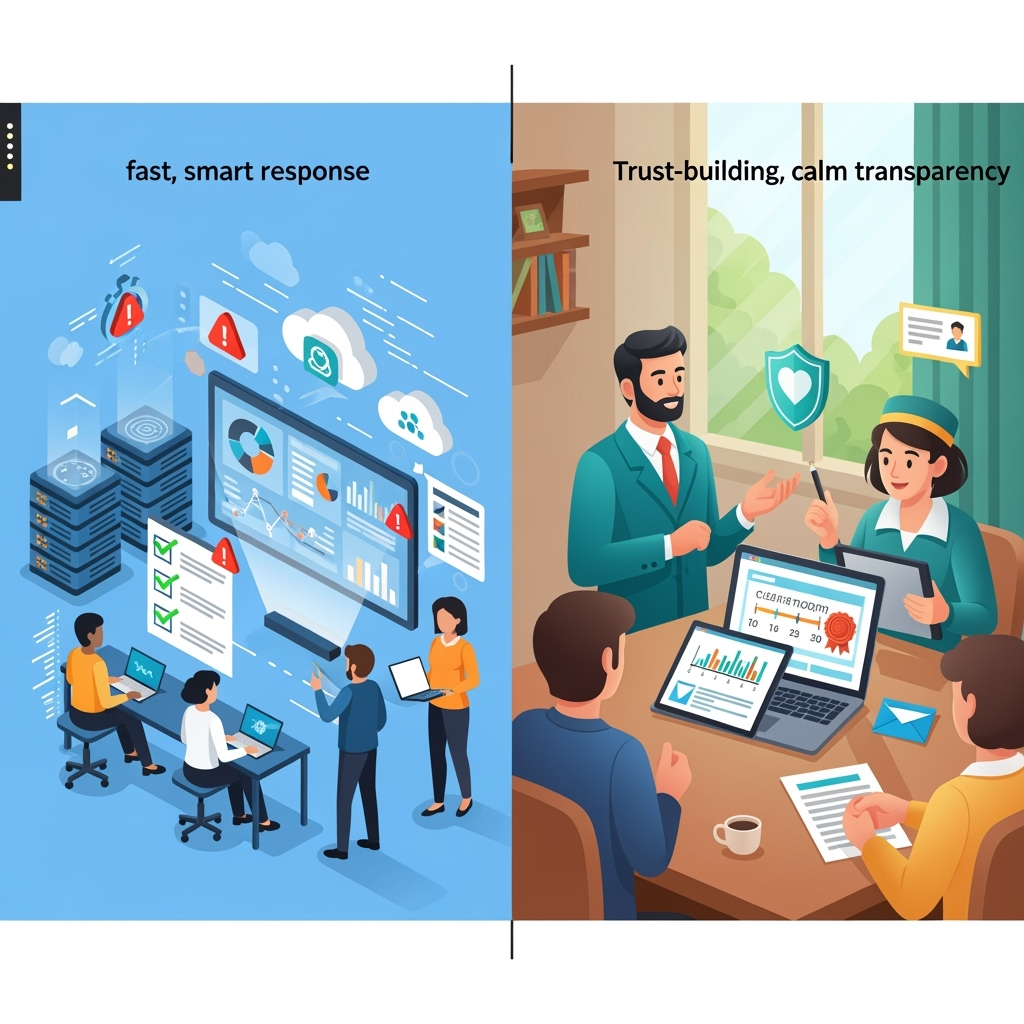
When a data breach hits, the clock starts ticking. Your next moves can either turn chaos into control—or make things worse. The good news? With a clear plan and calm execution, you can contain damage, meet legal requirements, and even strengthen trust with customers and partners. Here’s your action-ready playbook for responding to a data…
-

From Firefighting to Foresight If security once felt like whack-a-mole, you’re not imagining it. Alerts pop up, teams scramble, and by the time the dust settles, the attacker has moved on. Threat intelligence flips that script. Think of it as your weather radar: it spots storms before they hit, shows you where they’re headed, and…