In the digital age, there is a dangerous myth circulating in the boardrooms of small and medium-sized businesses (SMBs): “We’re too small to be a target.”
While the headlines are dominated by massive data breaches at Fortune 500 companies, the reality on the ground is much grimmer for the little guy. For a global corporation, a cyberattack is a PR nightmare and a line item in a legal budget. For an SMB, it is often an extinction-level event. In fact, statistics suggest that nearly 60% of small businesses that suffer a major cyberattack go out of business within six months.
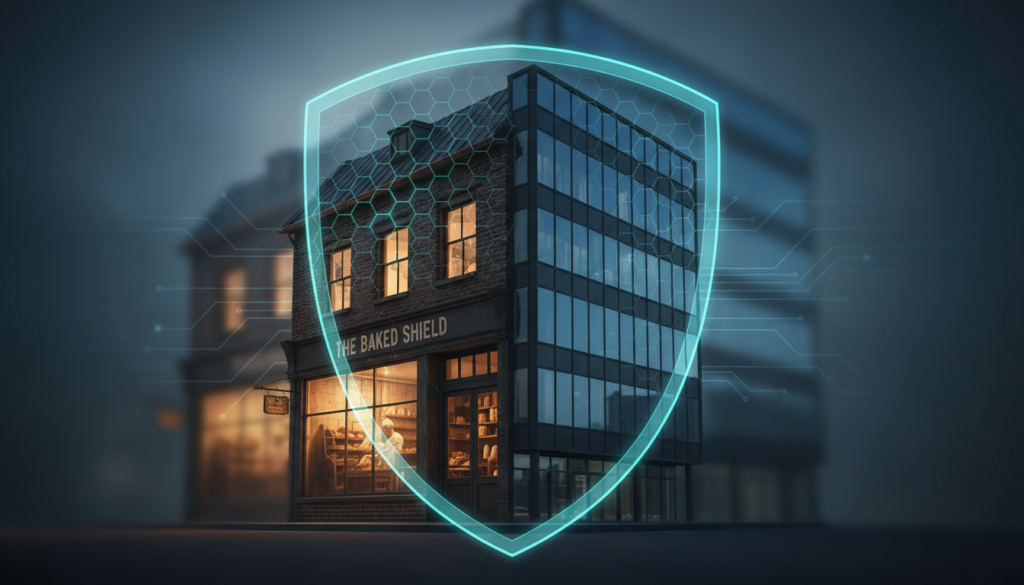
The predator doesn’t always go for the biggest elephant; often, it looks for the one that left the gate unlocked.
The “Low-Hanging Fruit” Phenomenon
Cybercriminals have shifted their strategy. Rather than spending months trying to crack the vault of a major bank, they use automated bots to scan thousands of smaller networks for simple vulnerabilities. To a hacker, an SMB is “low-hanging fruit”—a gateway to customer credit card data, proprietary designs, or even a backdoor into the larger supply chains of their corporate partners.
The Human Firewall
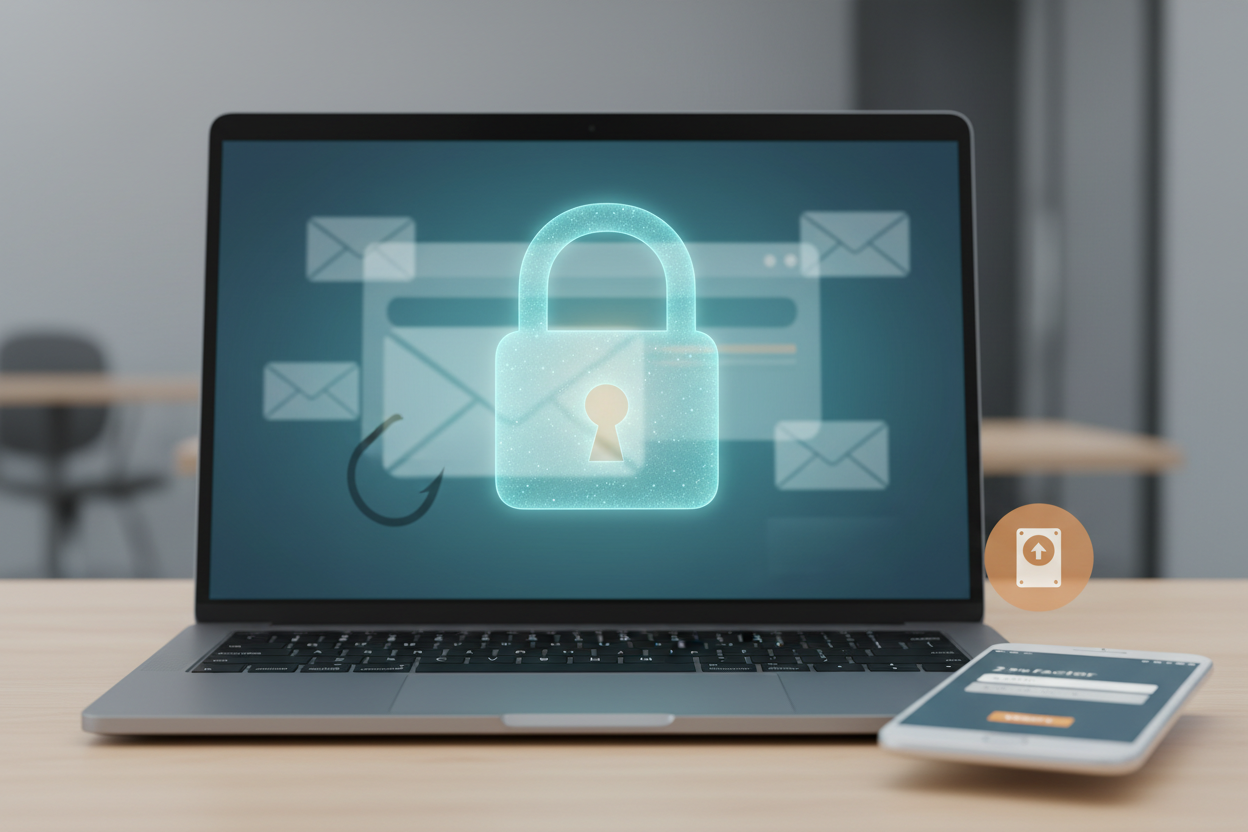
The most sophisticated encryption in the world can be bypassed by a single, well-placed click. Phishing remains the primary weapon of choice against SMBs. Whether it’s a fake invoice that looks identical to a regular vendor’s or a “password reset” request from a spoofed IT department, the human element is the weakest link.
Building a “human firewall” through consistent, engaging employee training is no longer optional. When your team knows how to spot the subtle red flags of a social engineering scam, your defence-in-depth strategy becomes exponentially more effective.
The Essentials of Digital Survival
Protecting your business doesn’t require a Silicon Valley budget. It requires digital hygiene.
First, Multi-Factor Authentication (MFA) is the single most effective deterrent against unauthorised access. It is the digital equivalent of a deadbolt on your front door. Second, a robust backup strategy—ideally following the 3-2-1 rule (three copies, two different media, one offsite)—ensures that if ransomware does strike, you can restore your life’s work without paying a criminal’s ransom.
Finally, keep your software updated. Those “remind me later” pop-ups for system updates are often delivering critical patches for “zero-day” vulnerabilities that hackers are actively exploiting.
The Bottom Line
Cybersecurity is no longer just an “IT issue”; it is a core business function. In a world where trust is the ultimate currency, being able to tell your customers that their data is safe with you is a competitive advantage. Don’t wait for the notification that your files have been encrypted to start caring about your digital perimeter. The best time to secure your business was yesterday; the second-best time is right now.
Leave a Reply